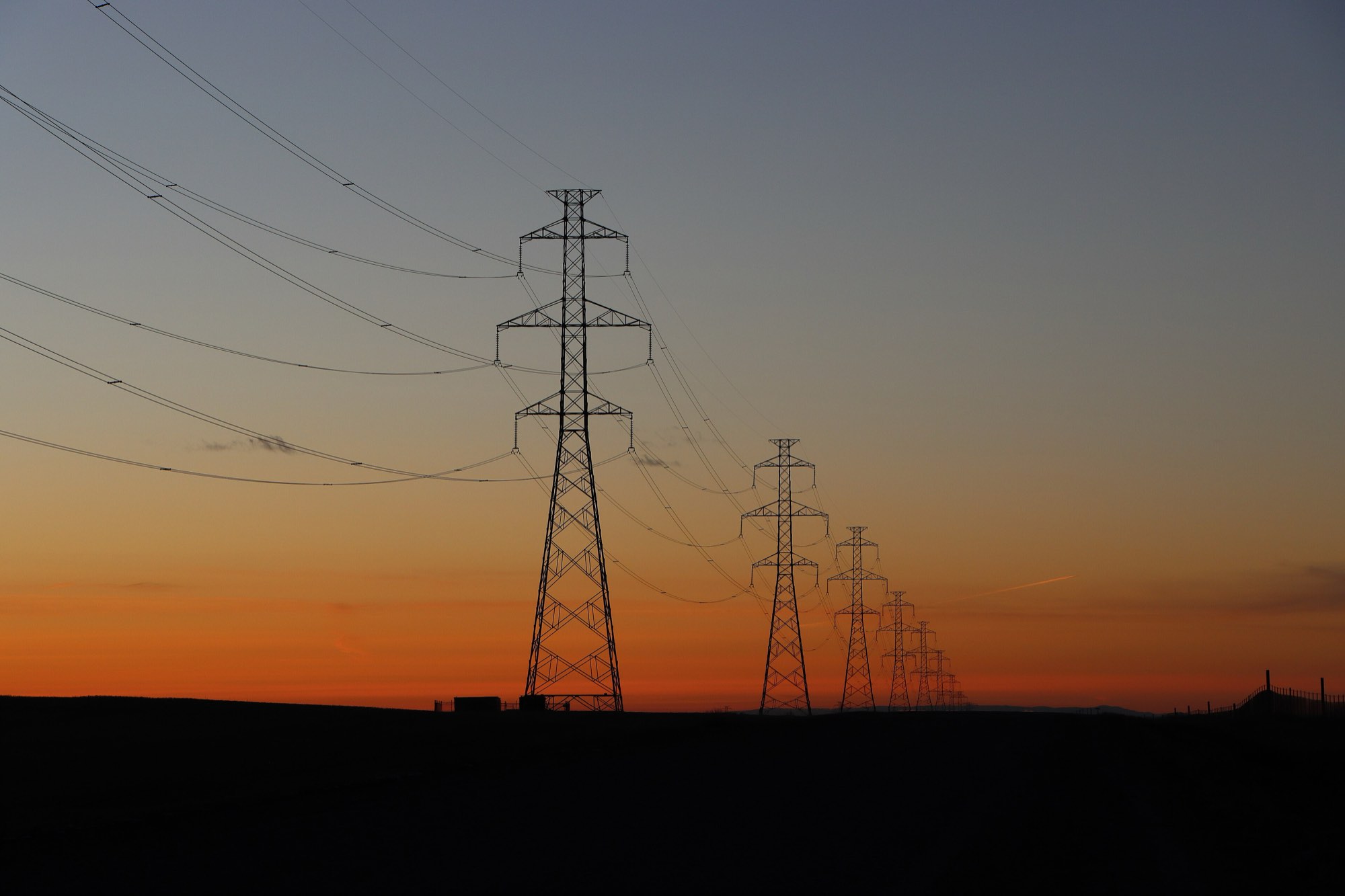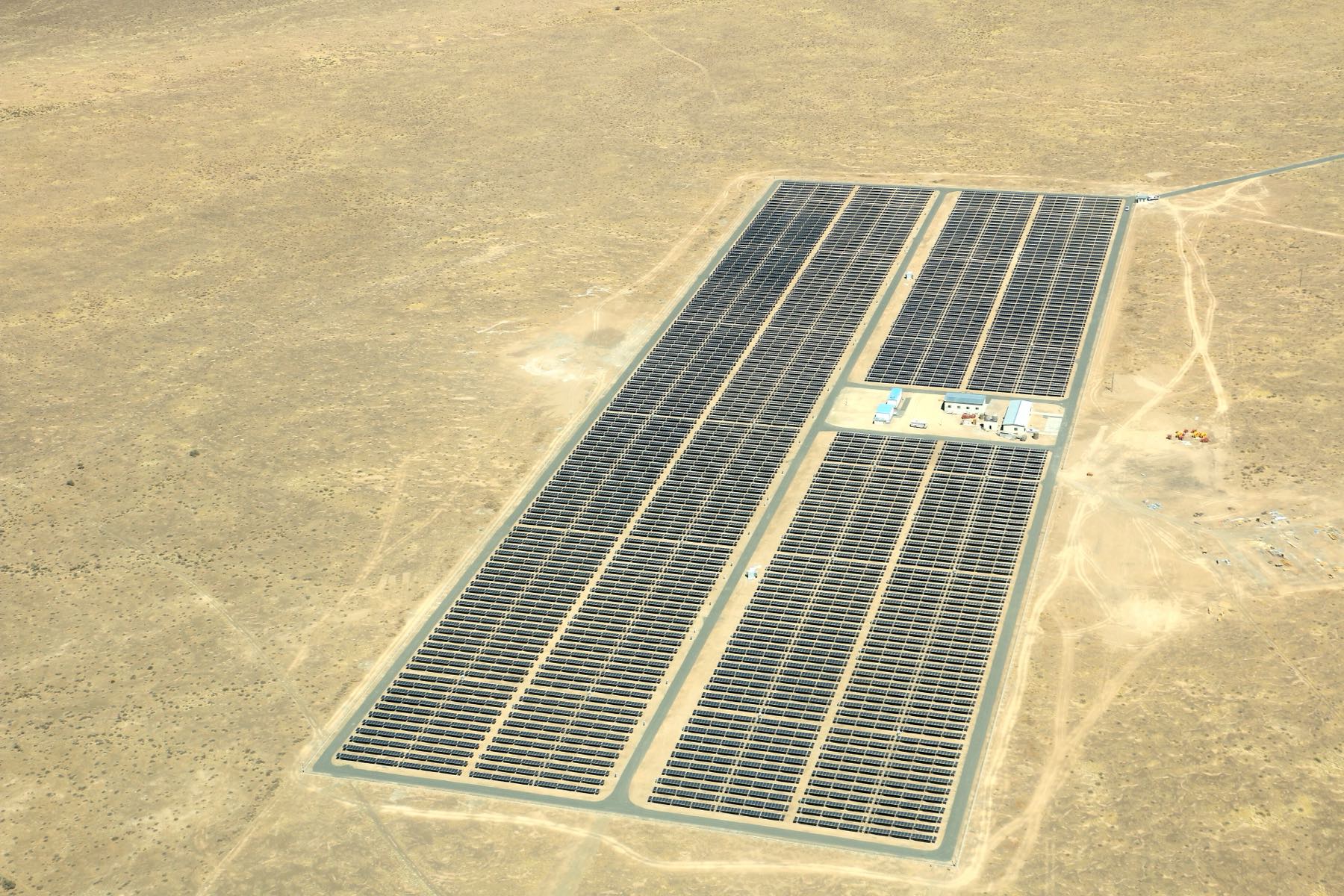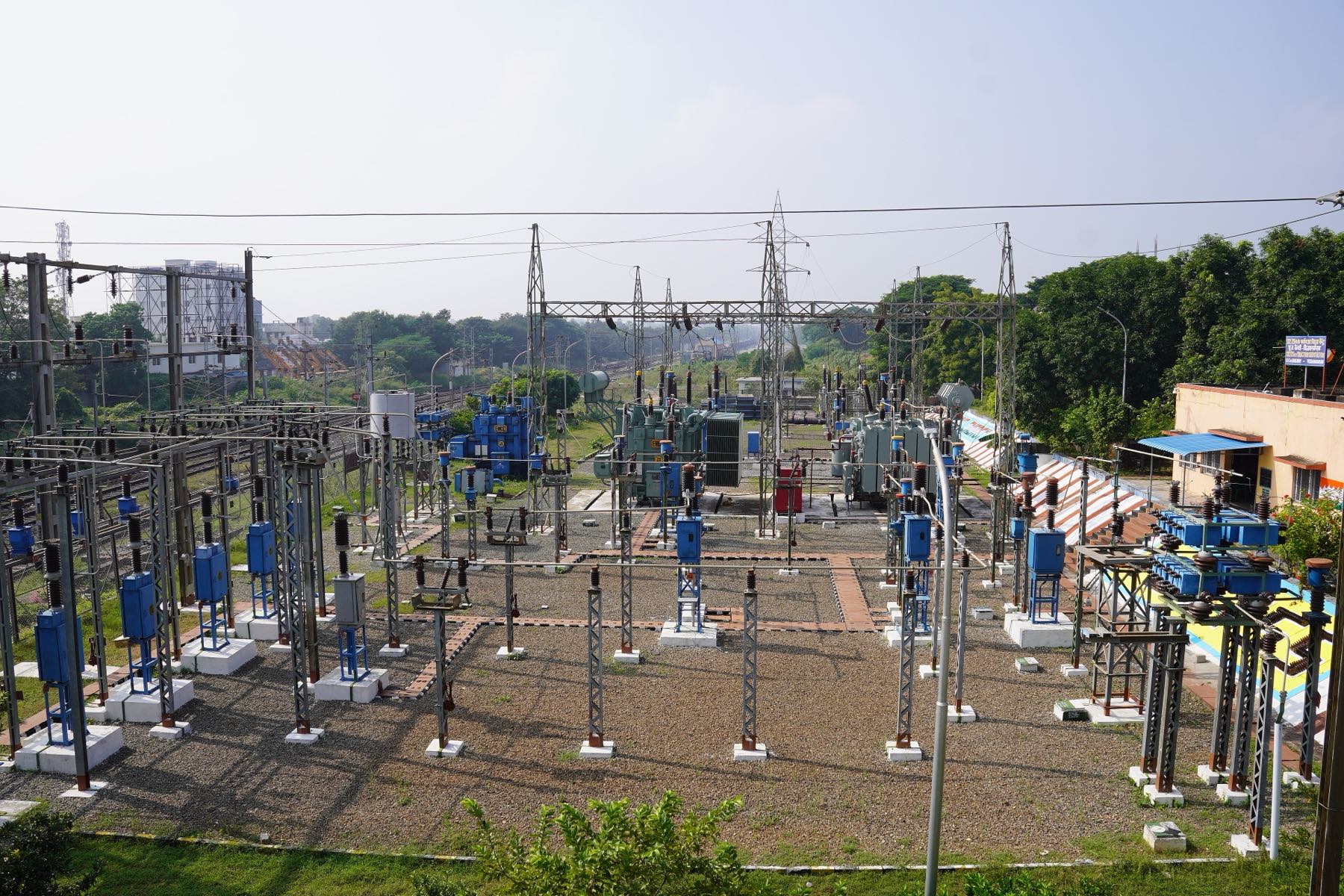
Novea is the software between energy and its buyers — the whole commercial spine of a power utility and a fuel business alike. Kilowatt-hours or litres, prepaid meters or forecourt pumps: one platform for how energy is actually sold in Southern Africa.
Novea started from the constraints, not around them — so the awkward realities are first-class features, not integrations bolted on later.
Meter-to-cash isn’t a report you run at month-end — it’s an automated pipeline. Reading to tariff to invoice to payment to a balanced ledger, and a revenue-protection layer watching the whole way. Fuel runs the same loop, depot to forecourt — it’s just below.
Not a billing tool with add-ons — a complete operating system, with each capability sharing the same tenant-isolated data, ledger and audit trail. (Fuel gets the same, in its own section next.)
Zero hard-coded rates. Time-of-use, stepped blocks, minimums, per-line VAT and levies — and index-linked tariffs that track wholesale price or FX. Simulate before you switch anyone over.
Smart and manual, prepaid and postpaid. Validation, estimation and editing on every reading, with idempotent CSV and MQTT ingestion so a double-import never double-bills.
Automated meter-to-cash runs feeding an append-only, double-entry ledger. Trial balance and VAT return that always reconcile — the books can’t be quietly rewritten.
DPO Pay, MTN, Airtel, Zamtel, cards and bank transfer behind one seam. Idempotent recording and server-to-server confirmation — a dropped callback never loses a payment.
A wallet per customer and a swappable token codec — an internal voucher today, certified STS tokens tomorrow, without touching the rest of the system.
Send mobile money, receive a working token — the two halves of a prepaid purchase joined into one instant, hands-off transaction.
Dunning ladders, top-up recovery that diverts a slice of each purchase to arrears, and friendly emergency credit to keep the lights on between paydays.
Balance, buy-a-token and report-a-fault from any feature phone — no app, no data bundle. The tenant and customer resolve from the dialling number.
An asset register with interval telemetry and threshold alerts — state of charge, generation, runtime — deduplicated while a fault stays open so nobody drowns in the same alarm.
Every solar kilowatt-hour converted to diesel displaced and CO₂ avoided, and rolled into renewable-share reporting — the investor and impact story, quantified per site.
Power-purchase agreements with escalation and performance terms, plus net-metering credit reconciled against real export readings.
Zones, published windows and pre-shed notifications — so a scheduled outage reaches the customer before the dark does.
Tamper events raised as faults, feeder energy-balance to find non-technical losses, and vending-drop anomaly detection — the leaks that quietly sink a utility.
Pay-to-unlock devices with lock-after-grace, credit scoring and an OpenPAYGO-ready token path — solar-home-system economics, built in.
Dispatch with nearest-technician routing and SLAs, and an offline-first PWA that syncs GPS, photos and signatures when a technician gets signal back.
ERB licence tracking, and a Data Protection Act programme that is code, not paperwork — consent, access, erasure, an immutable audit trail and hard tenant isolation.
Downstream fuel is not a second system bolted on beside power. It is a full vertical inside Novea — wholesale and forecourt retail sharing the same customers, ledger, controls and cash. Whether you sell electrons or litres, the hard part is identical: getting paid, and knowing your margin to the tambala.
Bulk lifting to resellers, mines and fleets — contract pricing, delivery notes and credit terms, invoiced against the same accounts as everything else.
Pump sales, cashiers and shifts at the station — card, cash and mobile money, drawn against the same customer base and books as the wholesale side.
Dip readings, deliveries and every movement, so book stock and physical stock are reconciled per tank — not guessed at the end of the month.
Pump meters against cash, card and mobile money, every shift — so a short till is caught the same day, not written off a quarter later.
Evaporation, temperature variance and theft surfaced as recorded loss events against the tank — the quiet leak that decides whether a station makes money.
Landed cost to pump price, per product, straight from the general ledger — the number that actually tells you whether the litres are worth selling.
OMC licences, marketing bonds, statutory returns and permits tracked as live compliance work — not a drawer of certificates nobody has checked the dates on.
Fuel P&L and electricity P&L in the same append-only, double-entry books — so the group accounts are one balanced truth, not two systems argued over at year-end.
Every kilowatt-hour a solar array delivers instead of a diesel generator is measured, converted and reported — so sustainability is an output of the system, not a spreadsheet someone assembles the night before the board meeting.
// Reference conversion factors, applied on every reading. Real numbers, real sites — quantified continuously, not estimated once a year.
Financial software earns trust by being boring in exactly the right places. Novea is built for the money to be right, the tenants to stay separate, and the record to be unforgeable.
Every business row carries its organisation, and reads are scoped per request. One operator can never see another’s customers — proven by a test that sweeps every endpoint.
Invoices, payments and journals are immutable once posted. Nothing is edited in place; corrections are new entries. The trial balance always balances.
Who did what, when — write-once, delete-never. Every sensitive action, from a posted invoice to a flipped feature flag, leaves a permanent mark.
Deny-by-default RBAC across nine roles, two-step login with backup codes, and field-level encryption for personal data at rest.
Notifications and side-effects go through a transactional outbox — retried with backoff, dead-lettered when they can’t deliver, never silently dropped.
Correlation IDs stitch every request together, structured logs and RED metrics, and service-level objectives with a documented rollback path.
Countries, currencies, regulators, tax and tariff templates are all configuration. Adding a market is seeding reference data and wiring its payment rails — not forking the codebase.
From a single prepaid meter in a Lusaka compound to a cross-border wheeling settlement — one platform, one ledger, one source of truth.