Wholesale lifting and forecourt retail on one set of books — tank dips,
shift reconciliation and wet-stock margin, per product, straight from the
general ledger. The quiet leaks are what decide whether a station makes money.
Depot-to-pump stages
Fuel & OMC modules
1
Ledger — both fuels
ERB
Licences & bonds tracked
Follow the litres
The other half of the business
Fuel & OMC — the same spine, depot to forecourt.
Downstream fuel is not a second system bolted on beside power. It is a full vertical inside Novea — wholesale and forecourt retail sharing the same customers, ledger, controls and cash. Whether you sell electrons or litres, the hard part is identical: getting paid, and knowing your margin to the tambala.
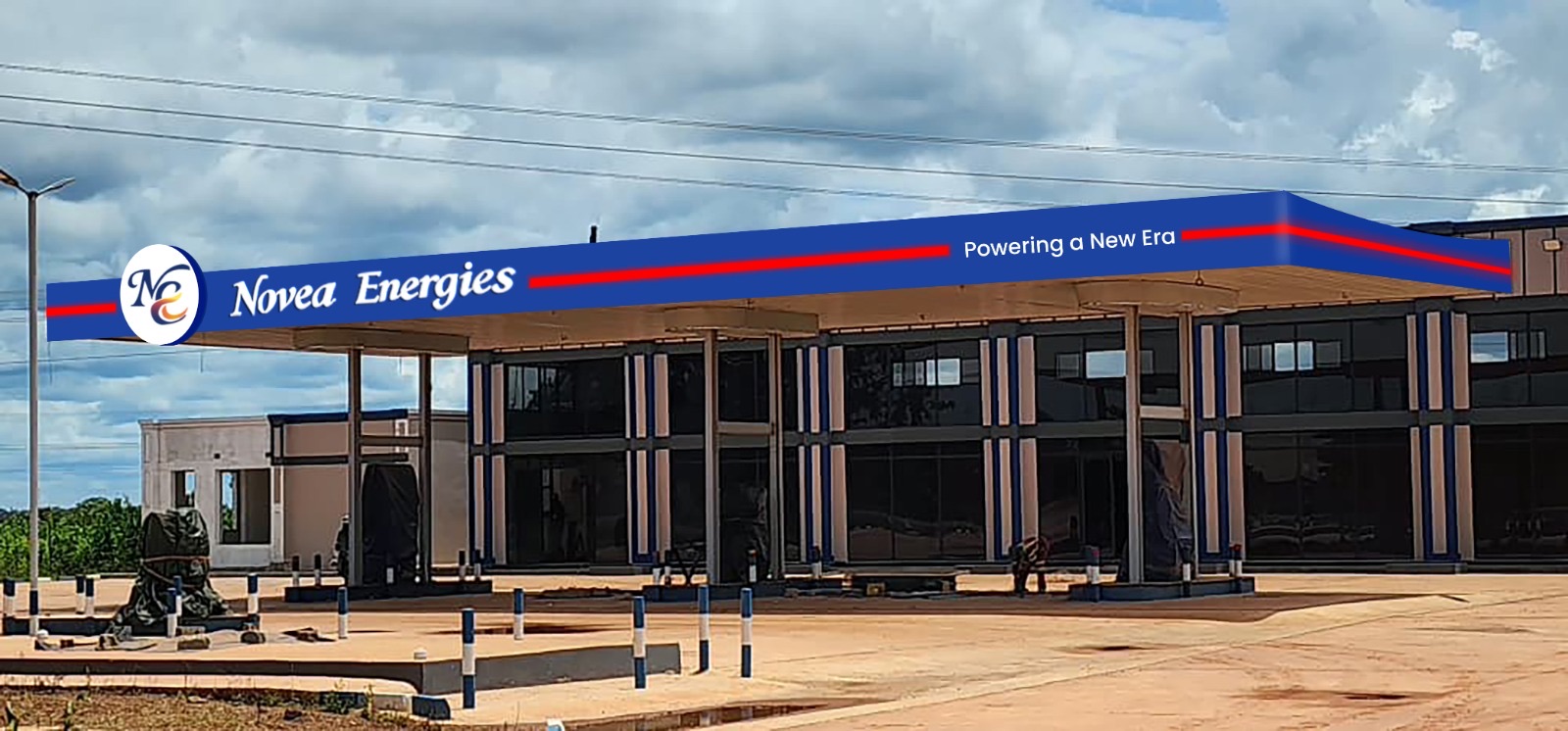
A Novea Energies forecourt · Zambia — depot to pump, one ledger
01 · ProcureBulk liftingContracts & credit
02 · StoreTanks & dipsBook vs physical
03 · DispenseForecourt salePumps & shifts
04 · ReconcileShift & wet-stockMeters vs cash
05 · CollectInto the ledgerOne P&L, both fuels
Wholesale & bulk sales
Bulk lifting to resellers, mines and fleets — contract pricing, delivery notes and credit terms, invoiced against the same accounts as everything else.
DEPOT · BULK
Forecourt retail
Pump sales, cashiers and shifts at the station — card, cash and mobile money, drawn against the same customer base and books as the wholesale side.
STATION · SHIFTS
Tank & stock control
Dip readings, deliveries and every movement, so book stock and physical stock are reconciled per tank — not guessed at the end of the month.
DIPS · MOVEMENTS
Shift reconciliation
Pump meters against cash, card and mobile money, every shift — so a short till is caught the same day, not written off a quarter later.
METER = TILL
Stock-loss & shrinkage
Evaporation, temperature variance and theft surfaced as recorded loss events against the tank — the quiet leak that decides whether a station makes money.
VARIANCE · FLAGGED
Wet-stock margin
Landed cost to pump price, per product, straight from the general ledger — the number that actually tells you whether the litres are worth selling.
BUY → PUMP
Regulatory & ERB
OMC licences, marketing bonds, statutory returns and permits tracked as live compliance work — not a drawer of certificates nobody has checked the dates on.
LICENCES · BONDS
One ledger, both fuels
Fuel P&L and electricity P&L in the same append-only, double-entry books — so the group accounts are one balanced truth, not two systems argued over at year-end.